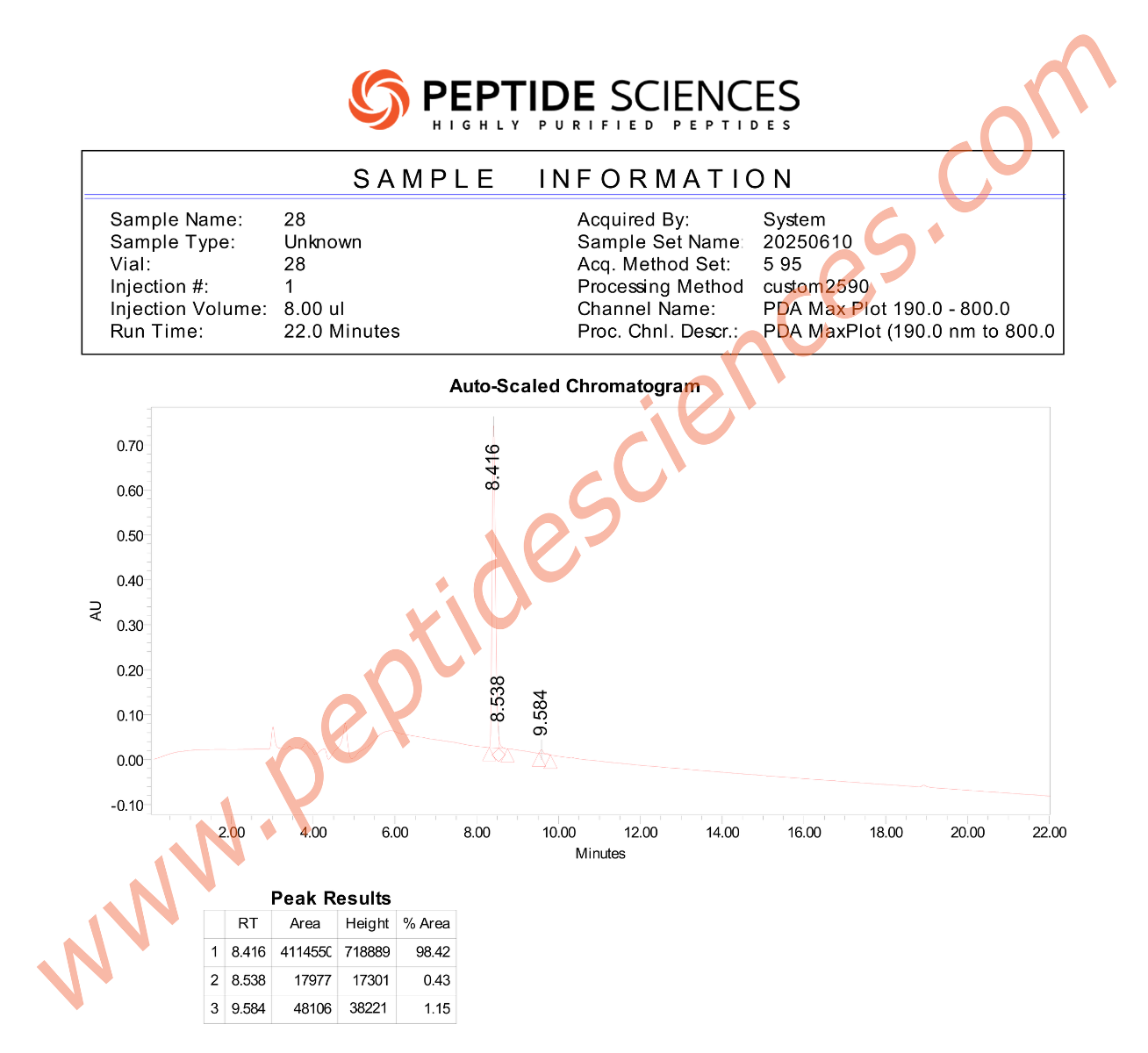
Basic research using microcalorimeter measurements indicates that DNA in the presence of Bronchogen has a higher melting point than DNA does otherwise[1]. This may seem like a trivial fact useful only in a handful of highly specific, technical laboratory protocols, but, in fact, this finding has wider implications. Research on the stability of DNA has shown that the greater the stability of DNA, the less degradation there is over time and the less the telomerase is activated[4]. Microcalorimeter measurements are an excellent proxy for DNA stability under real-life conditions.
Now, it may sound counter-intuitive that activating telomerase can sometimes turn out to be a bad thing. After all, telomerase protects telomeres and ensures that cells don’t become senescent due to overly short chromosomes. While this is true, telomerase activity is also associated with an increased risk of cancer. This is due to the fact that DNA accumulates damage in certain settings and that damage induces telomerase activity. This results in two problems. First, the DNA repair process is not perfect and so extending telomeres in some cases can actually prevent normal apoptotic mechanisms from ridding the body of cells that contain aberrant DNA. The second problem is that high levels of telomerase activity are only necessary when cell turnover is high. Thus, high telomerase activity is actually are marker of rapid aging. So, while telomerase is good, the fact that it has to be used is actually not so good both because it indicates rapid cell turnover and potentially increased DNA damage. In short, the balance between telomerase activity and DNA health is a fine one. In an ideal world, telomerase would be activated less often because the DNA would remain healthier and thus the enzyme wouldn’t be need as much.
By stabilizing DNA, Bronchogen reduces the amount of damage it incurs over time and reduces cell turnover rates. These features, in turn, lessen the need for telomerase activity. More importantly, it allows the DNA to remain healthy for longer, thus preventing the transition of cells with unhealthy DNA into a senescent state or even apoptosis. The net result is decreased senescence and improved overall tissue health because cells remain healthy for longer periods of time and preserve the ultimately limited capacity of all human tissue to regenerate itself from stem cells.
Bronchogen as Growth Factor
Research in rat models shows that Bronchogen and similar peptides have a stimulating effect, even at very low concentrations, on repair processes[2]. This effect appears to be mediated through increases in CXCL12 and Hoxa factors, both of which are transcription factors that regulate cascades that affect growth and differentiation. Interestingly, the effects of these transcription factors are more prominent in older cell lines than younger cells lines[3]. The older cells are, the more they seem to benefit from Bronchogen administration with increases in growth and differentiation of cells leading to improved tissue health and function.
According to Dr. Vladimir Khavinson of the Russian Academy of Sciences, these effects are tissue-specific. Bronchogen exerts its primary effects, at least in animals, on lung tissue and has relatively few off-target effects in other tissues. This suggests that there are mechanisms by which the specificity of short, membrane-penetrating peptides is controlled within cells.
Bronchogen in the Lungs
The primary effects of Bronchogen, as outlined above, are on growth and differentiation. Thanks to the tissue-specificity of Bronchogen, these effects are confined primarily to lung tissue. Research in rats shows that Bronchogen is highly effective against certain disease conditions, like chronic obstructive pulmonary disease (COPD) and asthma, within the lungs. Bronchogen helps to prevent and alleviate the remodeling that occurs in these diseases, ameliorating the aberrant immune response that causes hyperplasia, dysplasia, and the death of ciliated cells. It also appears to reduce levels of pro-inflammatory cytokines, reducing levels of inflammation in the lungs and helping to prevent scarring and fibrosis[5].
Perhaps most importantly, research in rats shows that Bronchogen can restore the epithelium of the lungs following induction of COPD and other inflammatory diseases. This results in an increase in surfactant production and reduced alveolar surface tension[6]. This means that Bronchogen strikes directly at the causative process of disease progression in the lungs rather than simply treating the symptoms. By boosting surfactant production, Bronchogen literally increases the ability of the lungs to exchange oxygen and carbon dioxide in the blood. By restoring epithelial cells, like ciliated cells, Bronchogen helps the lungs to efficiently distribute surfactant and remove debris and toxins.
Bronchogen as Plant Hormone
One relatively unusual aspect of Bronchogen is that it appears to have activity in plants at a very low concentration. Research shows that Bronchogen, along with Epitalon, increases growth and regeneration in plant tissue by activating several regulatory pathways including the CLE pathway, KNOX1 transcription factors, and GRFs (growth regulatory factors) that bind to DNA and regulate transcription[7]. This work, while interesting to botanists, also underscores the function of Bronchogen as a DNA regulatory factor controlling growth, proliferation, and differentiation.
Bronchogen Summary
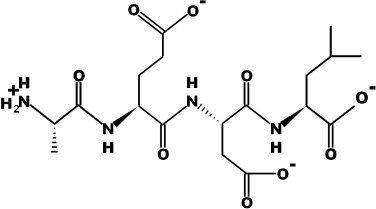
Bronchogen is a bioregulatory peptide with tissue-specific effects in the lungs. Research in rat models shows that Bronchogen can decrease inflammation and reestablish health lung tissue states by affecting several DNA transcription pathways. The net effect of Bronchogen in the lungs is to improve the epithelium, increase surfactant production, and reduce inflammation. There is ongoing research looking at the benefit of Bronchogen not just in disease, but in aging as well. It appears that Bronchogen is geroprotective, helping to reverse age-related decline in lung function by reactivating senescent DNA. The peptide may even prove useful in helping to unravel the pathways that protect against cancer development in the lungs.



 Vladimir Khavinson is a Professor, President of the European region of the International Association of Gerontology and Geriatrics; Member of the Russian and Ukrainian Academies of Medical Sciences; Main gerontologist of the Health Committee of the Government of Saint Petersburg, Russia; Director of the Saint Petersburg Institute of Bioregulation and Gerontology; Vice-president of Gerontological Society of the Russian Academy of Sciences; Head of the Chair of Gerontology and Geriatrics of the North-Western State Medical University, St-Petersburg; Colonel of medical service (USSR, Russia), retired. Vladimir Khavinson is known for the discovery, experimental and clinical studies of new classes of peptide bioregulators as well as for the development of bioregulating peptide therapy. He is engaged in studying of the role of peptides in regulation of the mechanisms of ageing. His main field of actions is design, pre-clinical and clinical studies of new peptide geroprotectors. A 40-year-long investigation resulted in a multitude of methods of application of peptide bioregulators to slow down the process of ageing and increase human life span. Six peptide-based pharmaceuticals and 64 peptide food supplements have been introduced into clinical practice by V. Khavinson. He is an author of 196 patents (Russian and international) as well as of 775 scientific publications. His major achievements are presented in two books: “Peptides and Ageing” (NEL, 2002) and “Gerontological aspects of genome peptide regulation” (Karger AG, 2005). Vladimir Khavinson introduced scientific specialty “Gerontology and Geriatrics” in the Russian Federation on the governmental level. Academic Council headed by V. Khavinson has oversighted over 200 Ph.D. and Doctorate theses from many different countries.